C16 or C18? Start With the Outcome.
C18:0, C18:1 and C18:2 are all C18. They are not the same choice.

Palmitic acid (C16:0) and the C18 fatty acids make up most of the fat in dairy feed supplements. It is tempting to compare them as C16 against C18, but there are three C18 acids that do different things: stearic (C18:0), oleic (C18:1) and linoleic (C18:2).
The better question is what you want the fat to do. Raising milk fat, supporting cows in early lactation, supplying usable energy and protecting pork-fat quality each point to a different fatty acid. This article compares them goal by goal.
Same length. Different shape.
C16:0 and C18:0 are saturated and straight. C18:1 has one bend, C18:2 has two.
All four fatty acids have 16 or 18 carbons, but their shape differs. C16:0 and C18:0 are saturated and straight, so they pack tightly and melt at high temperatures. C18:1 has one double bond that puts a bend in the chain, and C18:2 has two. The bends lower the melting point and change how the animal digests and uses each one.
Milk fat? Start with C16:0.
Palmitic acid has the most consistent record for raising milk-fat yield.
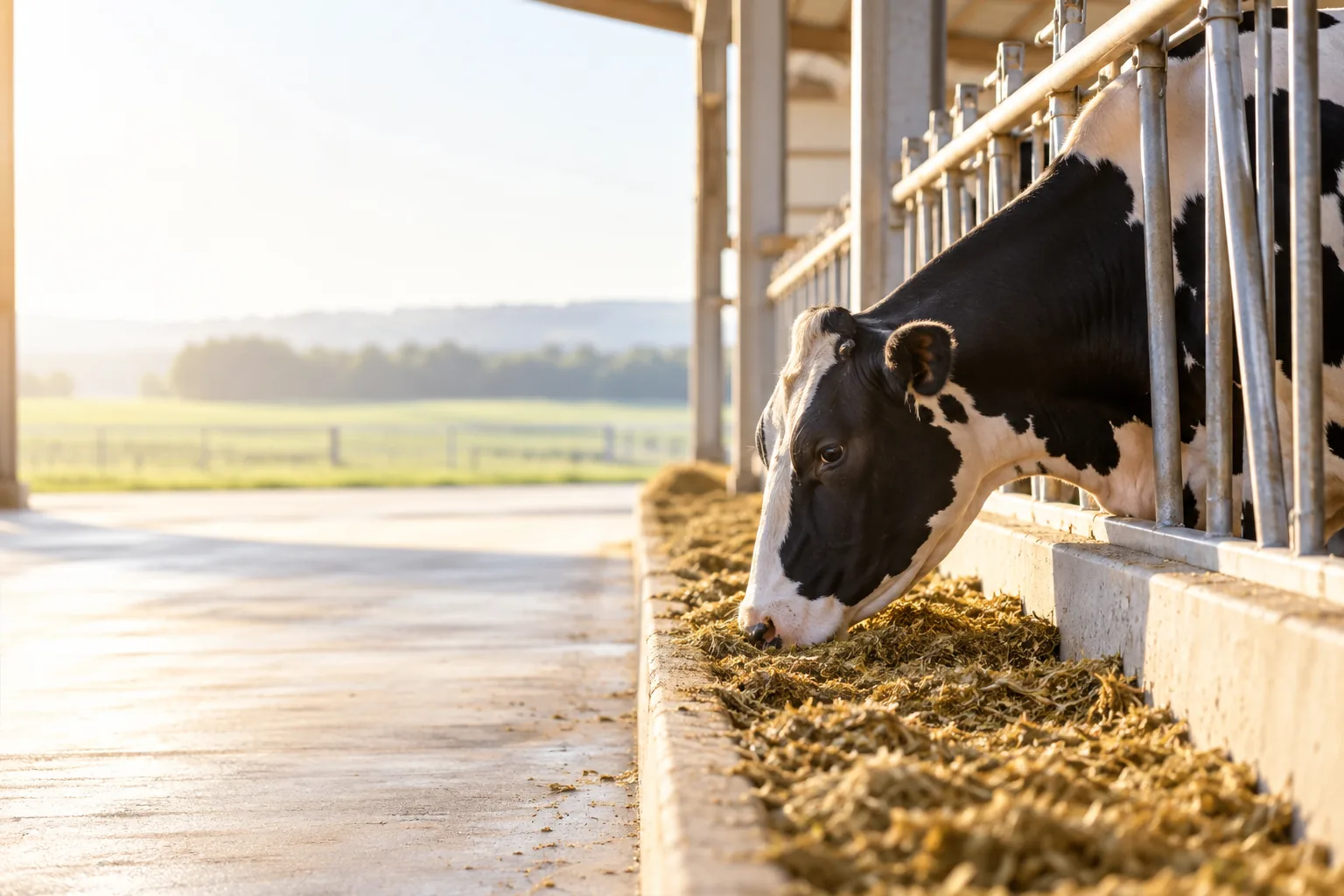
Cows use palmitic acid directly to make milk fat. In a direct comparison, cows fed palmitic acid produced more milk fat and converted feed more efficiently than cows fed stearic acid, across a range of production levels. Reviews since then describe C16:0 as the most reliable choice when milk-fat yield is the goal, while results from stearic-rich supplements vary more.
The decision starts with the outcome, then accounts for species, stage, diet and form.
Early lactation? Look at the blend.
In 72 Holsteins at about 64 days in milk, more C18:1 in the C16:0 blend raised milk yield and cut body-weight loss.
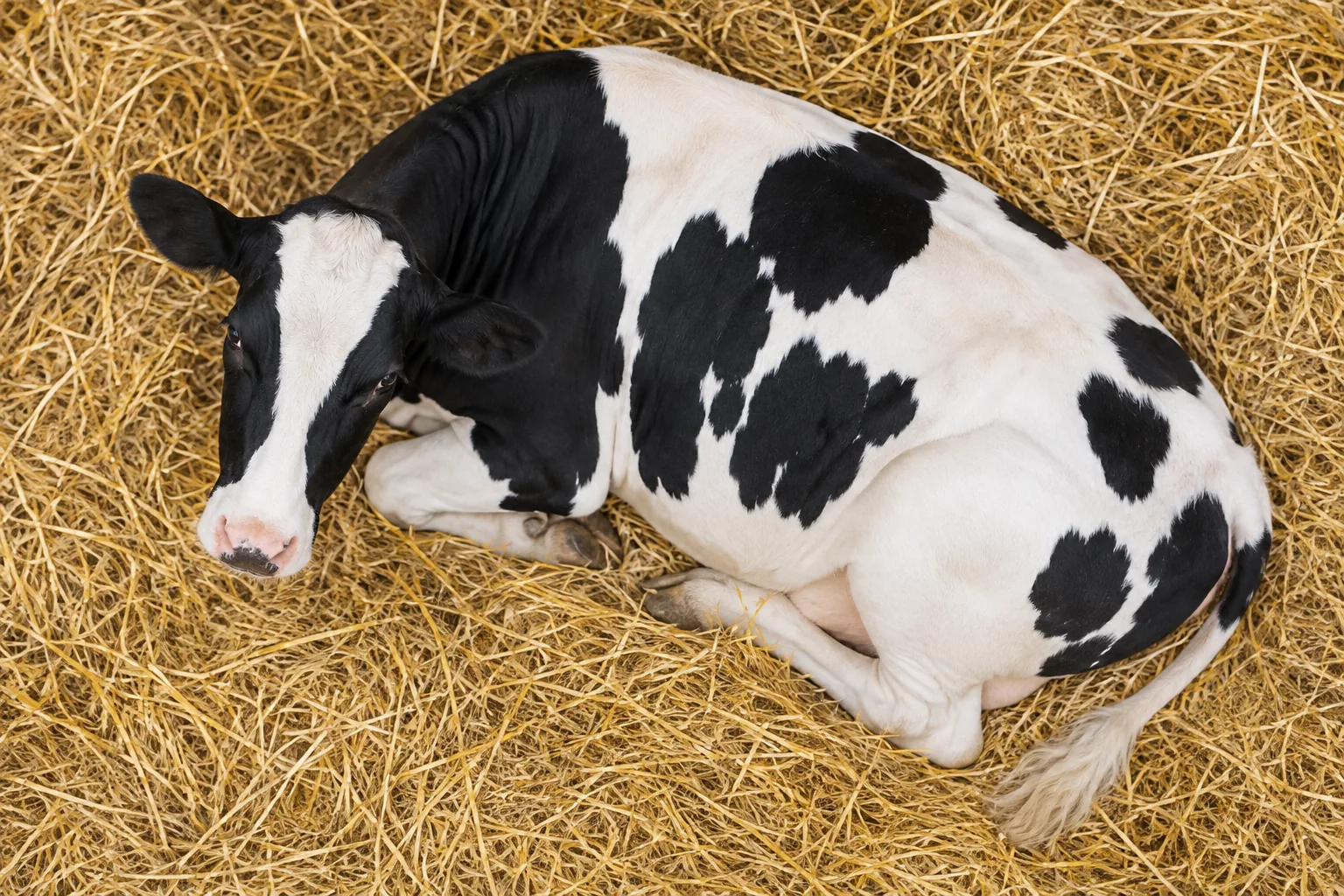
Early in lactation, cows often lose body weight because their energy needs rise faster than their intake. In a 2024 trial, raising the share of oleic acid in a palmitic-oleic blend increased milk yield, milk protein and feed efficiency and reduced weight loss. Fat- and energy-corrected milk did not change, a reminder to choose the measure before the product.
Start with the outcome.
Choose the result you want to move. The fatty acid follows.
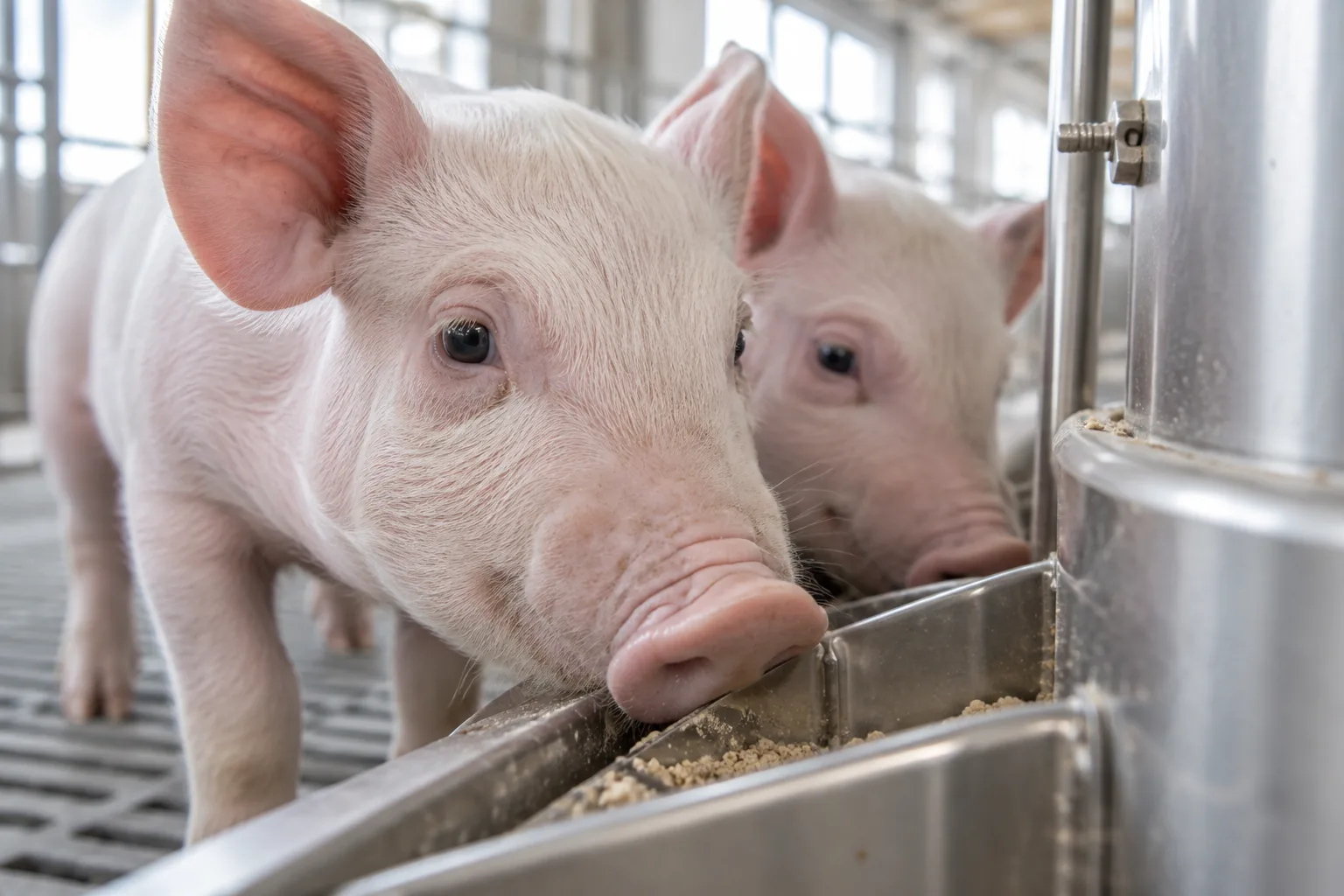
Working backwards from the goal keeps the choice clear, because one fatty acid profile cannot be ideal for milk fat, body condition, digestible energy and pork-fat firmness all at once. Linoleic acid, for example, is essential for pigs and poultry, yet too much of it softens pork fat.
- C18:2 is essential for pigs and poultry, but it is not a substitute for C18:1.
- New work tracks C16 and C18 through the whole cow. A developing framework, not yet a formulation rule.8
In short.
C16:0, C18:0, C18:1 and C18:2 each suit different goals. Palmitic acid has the strongest record for milk fat, oleic acid can help cows in early lactation, stearic acid needs a close look at digestibility, and linoleic acid must be balanced in pig diets. Start with the result you want, then choose the fatty acid, form and dose to match.
Before you choose.
- 1Set the outcome and how you will measure it.
- 2Read the full profile C18:0, C18:1 and C18:2 apart.
- 3Check species and production stage.
- 4Include form and processing.
- 5Balance the whole ration.
C16:0 has the most consistent milk-fat evidence. C18:0 responses vary. C18:1 and C18:2 are not interchangeable.
Dairy research tracks individual fatty acids from rumen to milk, beyond fat as one energy class.
Name the outcome first. The fatty acid follows.
Talk to our teamReferences (8)
- Lock, A. L., dos Santos Neto, J. M. & de Souza, J. (2025). Invited review: Moving from dietary fat to fatty acids. Journal of Dairy Science, 108(11), 11733–11756. doi.org/10.3168/jds.2025-27040
- Rico, J. E., Allen, M. S. & Lock, A. L. (2014). Compared with stearic acid, palmitic acid increased the yield of milk fat and improved feed efficiency across production level of cows. Journal of Dairy Science, 97(2), 1057–1066. doi.org/10.3168/jds.2013-7432
- Hu, L. et al. (2024). Effects of dietary palmitic acid and oleic acid ratio on milk production, nutrient digestibility, blood metabolites, and milk fatty acid profile of lactating dairy cows. Journal of Dairy Science, 107(7), 4370–4380. doi.org/10.3168/jds.2023-23801
- Ravindran, V. et al. (2016). Fats in poultry nutrition: Digestive physiology and factors influencing their utilisation. Animal Feed Science and Technology, 213, 1–21. doi.org/10.1016/j.anifeedsci.2016.01.012
- Wealleans, A. L. et al. (2021). Fats and oils in pig nutrition: Factors affecting digestion and utilization. Animal Feed Science and Technology, 277, 114950. doi.org/10.1016/j.anifeedsci.2021.114950
- Kellner, T. A., Prusa, K. J. & Patience, J. F. (2014). Impact of dietary fat source and concentration and daily fatty acid intake on the composition of carcass fat and iodine value. Journal of Animal Science, 92(12), 5485–5495. doi.org/10.2527/jas.2014-7567
- Kerr, B. J., Kellner, T. A. & Shurson, G. C. (2015). Characteristics of lipids and their feeding value in swine diets. Journal of Animal Science and Biotechnology, 6, 30. doi.org/10.1186/s40104-015-0028-x
- Drackley, J. K. (2026). Invited review: A quantitative, whole-animal integration of metabolism of palmitic, stearic, and oleic acids in dairy cows. Journal of Dairy Science, online ahead of print. doi.org/10.3168/jds.2026-28986
General principles for formulators. Not recommendations for a particular product, process or herd.